Listen · Narrated · 3:42 Écouter · Narration · 3:42
0:00 / 3:42
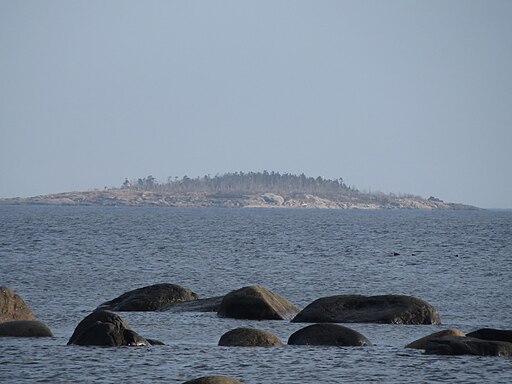
The tragedy of Egg Island dates back to August 22, 1711, when British Admiral Sir Hovenden Walker, en route to conquer Quebec, saw his fleet struck by a violent storm in the Gulf of St. Lawrence. Several ships were wrecked on the island's reefs, resulting in the deaths of hundreds of sailors and, according to legend, Walker's fiancée herself. This maritime disaster, marked by chaos and loss, left an indelible mark on the region, fueling tales of ghosts and apparitions that still haunt the island's mist each year.
Pointe-aux-Anglais
Since the tragic fate of Admiral Walker, who lost several ships near Egg Island on August 22, 1711, a ghost has appeared each year on foggy nights, accompanied by sinister cries. This otherworldly figure is said to be Walker himself, returning to lay flowers on the grave of his fiancée, who drowned during the shipwreck.
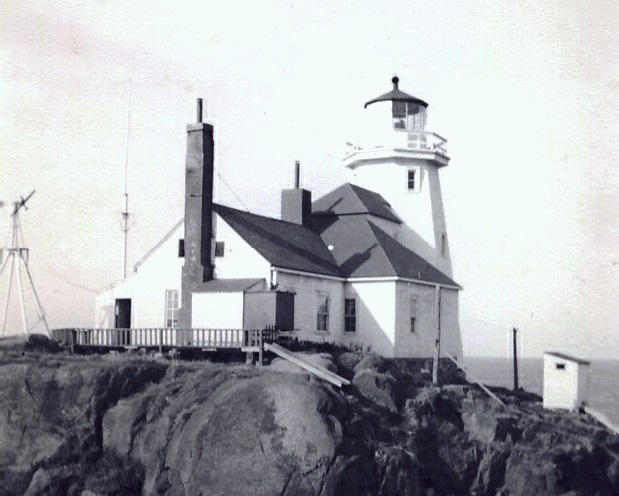
It was at this very spot, in 1863, that a marine inspector, while searching for a wrecked vessel, experienced a deeply unsettling adventure. As he traveled by boat with two Indigenous companions and darkness began to fall, they decided to follow the shoreline to avoid getting lost at sea. But as the night grew darker, the inspector told the others they would go ashore and camp for the night. The Indigenous men immediately objected, saying the place was unsuitable and that they preferred to remain on the water until daylight.
The inspector, however, insisted and leapt onto the shore of Egg Island, gathering driftwood to build a fire. Once the wood began to blaze and crackle, he searched for a large log that would burn slowly through the night while he slept wrapped in a blanket.
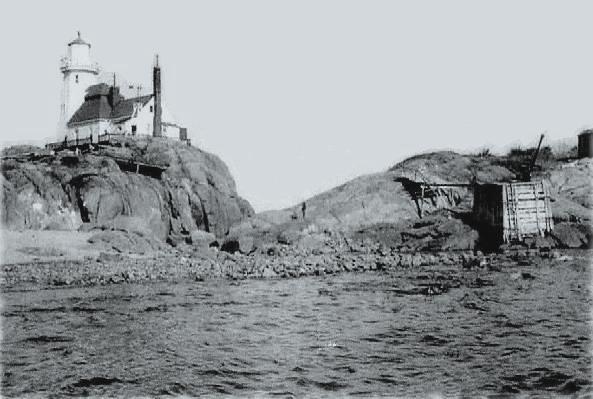
In the darkness, he bent down to pick up a dry piece of trunk, only to realize he was standing on a mound marked by a cross. Undeterred by the ghost stories and tales of phantom ships he had heard about the island, he grabbed the log anyway. But as he stood up, terror gripped him—a large, sinister white hand rose before him, threatening. He dropped the log and jumped back in fright. At that moment, the apparition vanished.
Proud and defiant, he stepped forward again to retrieve the log—but the white hand lunged toward him once more. Paralyzed by fear, he fell to his knees, trembling. Suddenly, he sighed in relief; his campfire now illuminated the area enough for him to understand what was happening. When he bent down to grab the log, his body no longer blocked the firelight, which now shone on an old uprooted pine lying beside the grave. Its dry, ghostly branches seemed to move as the flickering flames danced across them.
Egg Island, Côte-Nord · Coastal Legacies
La tragédie de l'île aux Œufs remonte au 22 août 1711, lorsque l'amiral britannique Sir Hovenden Walker, en route pour conquérir Québec, vit sa flotte frappée par une violente tempête dans le golfe du Saint-Laurent. Plusieurs navires se brisèrent sur les récifs de l'île, causant la mort de centaines de marins et, selon la légende, celle de la fiancée même de Walker. Ce désastre maritime, marqué par le chaos et la perte, a laissé une empreinte indélébile sur la région, nourrissant les récits de fantômes et d'apparitions qui hantent encore chaque année la brume de l'île.
Pointe-aux-Anglais
Depuis le sort tragique de l'amiral Walker, qui perdit plusieurs navires près de l'île aux Œufs le 22 août 1711, un fantôme apparaît chaque année par les nuits de brume, accompagné de cris sinistres. Cette figure d'outre-tombe serait Walker lui-même, revenu déposer des fleurs sur la tombe de sa fiancée, noyée lors du naufrage.
C'est à cet endroit même qu'en 1863, un inspecteur maritime, parti à la recherche d'un navire naufragé, vécut une aventure profondément troublante. Alors qu'il voyageait en embarcation avec deux compagnons autochtones et que la nuit commençait à tomber, ils décidèrent de longer la côte pour éviter de se perdre au large. Mais comme la nuit s'assombrissait, l'inspecteur annonça aux autres qu'ils accosteraient pour camper. Les hommes autochtones s'y opposèrent aussitôt, disant que l'endroit ne convenait pas et qu'ils préféraient rester sur l'eau jusqu'au jour.
L'inspecteur insista pourtant et sauta sur la grève de l'île aux Œufs, ramassant du bois de grève pour allumer un feu. Une fois le bois embrasé et crépitant, il chercha une grosse bûche qui brûlerait lentement toute la nuit pendant qu'il dormirait roulé dans une couverture.
Dans l'obscurité, il se pencha pour ramasser un morceau de tronc sec, pour se rendre compte qu'il se tenait sur un tertre marqué d'une croix. Nullement découragé par les histoires de fantômes et les récits de navires fantômes qu'il avait entendus au sujet de l'île, il saisit la bûche quand même. Mais en se relevant, la terreur le saisit — une grande main blanche, sinistre, se dressa devant lui, menaçante. Il lâcha la bûche et bondit en arrière, effrayé. À cet instant, l'apparition s'évanouit.
Fier et bravache, il s'avança de nouveau pour reprendre la bûche — mais la main blanche s'élança encore vers lui. Paralysé par la peur, il tomba à genoux, tremblant. Soudain, il soupira de soulagement ; son feu éclairait maintenant assez les lieux pour qu'il comprenne ce qui se passait. Quand il se penchait pour saisir la bûche, son corps ne bloquait plus la lueur du feu, qui éclairait alors un vieux pin déraciné gisant à côté de la tombe. Ses branches sèches et spectrales semblaient bouger sous la danse des flammes.
Île aux Œufs, Côte-Nord · Coastal Legacies